How Long Does It Take to Replace Your Blood? Unlock the 120-Day Renewal Cycle for Peak Vitality
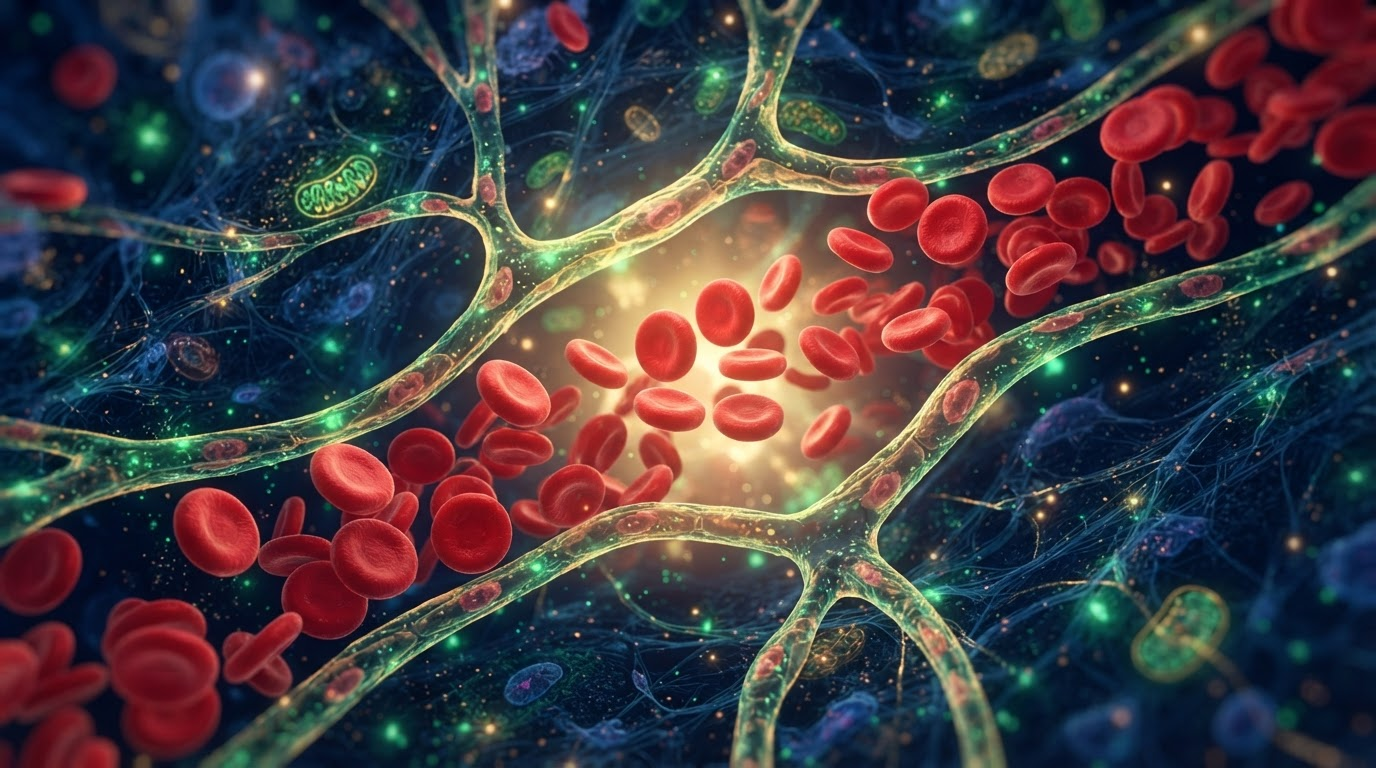
How Long Does It Take to Replace Your Blood? Unlock the 120-Day Renewal Cycle for Peak Vitality
Imagine this: every 120 days, your body orchestrates a complete overhaul of your blood, shedding the old and birthing the new. It's not just a biological footnote—it's your secret renewal window for reversing age-related fatigue, banishing brain fog, and reclaiming the vitality of your younger years. If you're over 35 and feeling the creep of decline, understanding how long does it take to replace your blood could be the key to transforming your health from the inside out.
In the quest for reverse aging, we often chase quick fixes, but your blood renewal cycle offers a scientifically backed rhythm for true restoration. This isn't hype; it's rooted in the body's masterful design. Your bone marrow churns out about 2 million red blood cells every second, ensuring fresh oxygen delivery to every tissue. Yet, as we age, the quality of this renewal falters—unless you intervene wisely. Let's dive into the timeline, the science, and actionable steps to harness this cycle for peak biological functioning.
What is the Blood Renewal Timeline?
Your blood isn't static; it's a dynamic river of life, constantly turning over. The big question—how long does it take to replace your blood—has a precise answer: roughly four months for a full refresh of your entire blood supply. This process hinges on the red blood cell lifespan of 120 days, the workhorses that carry oxygen and nutrients.
Research shows that mature red blood cells circulate for about 120 days before they're recycled by the spleen and liver. Meanwhile, white blood cells and platelets renew faster—days to weeks—but red cells set the pace for the blood renewal cycle. Picture your bone marrow as a tireless factory: it produces around 200 billion red cells daily to maintain this balance. Disruptions from stress, poor diet, or inflammation shorten lifespans, accelerating fatigue. Aligning your habits with this timeline? That's where cellular renewal becomes your superpower.
The 120-Day Red Blood Cell Lifespan
At the heart of the blood renewal cycle lies the 120-day lifespan of red blood cells. These disc-shaped marvels, packed with hemoglobin, squeeze through capillaries to fuel every cell. After 120 days—or about four months—they lose flexibility and are tagged for removal.
Why this exact duration? Evolutionary precision. Studies indicate it's optimized for oxygen transport efficiency without overburdening production. But aging tweaks the dial: oxidative stress glycates proteins, stiffening cells prematurely. The result? Sluggish delivery, brain fog, and that all-too-familiar midlife slump. Harnessing the red blood cell lifespan 120 days means feeding the production line premium materials during peak renewal phases—every four months, your body gets a fresh start.
Why 4 Months Matters for Reverse Aging
Four months isn't arbitrary; it's your biological reset button for reverse aging-biomarkers. As old blood clears out, new cells flood in, offering a window to upgrade your entire system. Research shows that optimizing this period can improve energy, cognition, and resilience—hallmarks of renewed youth.
Think of it as renewing your biological foundation. Poor inputs during renewal yield subpar cells: inflamed, nutrient-poor carriers that perpetuate decline. But flood the system with quantum nutrition? You build robust, flexible cells primed for peak vitality. This cycle explains why consistent habits trump sporadic efforts—transformation compounds over 120 days, turning fatigue into boundless energy.
The Missing Piece: Microcirculation
Here's where most overlook the magic: quantum microcirculation. Did you know 74% of your blood vessels are capillaries? These microscopic highways—totaling 40,000 miles if stretched out—are where nutrient exchange truly happens. Without vibrant microcirculation, even the freshest blood cells can't deliver their payload.
In aging, capillaries stiffen and rarefy, starving tissues. The blood renewal cycle depends on this network to shuttle new cells effectively. Techniques boosting nitric oxide—like breathwork—dilate vessels, enhancing delivery. As explored in our guide to Life Is In The Blood, this is the conduit for true vitality. Ignore it, and your 120-day refresh falls flat.
What Determines the Quality of Your New Blood?
New blood cells aren't born equal—they mirror your inputs. Bone marrow draws from circulating nutrients, so the blood renewal cycle amplifies what you feed it. Research highlights key factors: B vitamins for hemoglobin, iron for oxygen binding, antioxidants against oxidation.
Nutritional supplementation shines here. Algae like spirulina and chlorella, rich in phycocyanin and chlorophyll, supercharge production—nature's quantum nutrition. Dive deeper into these in our Vital Health resources. Inflammation or toxins? They sabotage quality, birthing weak cells. Your four-month window is prime time to elevate—craft blood that restores, not just replaces.
5 Daily Practices to Support Your Renewal Cycle
Ready to leverage the 120-day cycle? These evidence-based practices optimize cellular renewal, ensuring superior new blood. Consistency over four months yields profound shifts.
- Hydration Mastery: Aim for half your body weight in ounces daily. Water thins blood, easing microcirculation and nutrient flow—vital for fresh cell delivery.
- Algae Nutrition Boost: Incorporate spirulina or chlorella (1-3g daily). These deliver bioavailable iron, B12, and detox support, forging resilient red cells. See Vital Health for protocols.
- Restorative Sleep: 7-9 hours nightly regulates marrow production. Poor sleep spikes cortisol, impairing renewal—prioritize darkness and rhythm.
- Functional Movement: Walk 10,000 steps or practice yoga. It pumps blood through capillaries, conditioning the network for optimal exchange.
- Breath for Microcirculation: Practice 4-7-8 breathing (4s in, 7s hold, 8s out) twice daily. It spikes nitric oxide, dilating vessels for quantum microcirculation.
Stack these, and watch fatigue fade as your body renews with precision.
Beyond the Lab: Why Biohealth Analysis Needs Timeline Context
Biohealth analysis gives snapshots—hemoglobin levels, inflammation markers—but misses the renewal story. A "normal" reading mid-cycle hides brewing issues; test at renewal peaks for accuracy. Traditional labs ignore the 120-day dynamic, leading to misguided tweaks.
Contextualize with the blood renewal cycle: track reverse aging-biomarkers over four months. This reveals true progress, aligning interventions like Nu Xtrax protocols for amplified results. Elevate from reactive to rhythmic health.
Frequently Asked Questions
How long does it take to replace your blood?
About four months for full turnover, driven by the red blood cell lifespan 120 days. Daily production keeps it steady.
Can you speed up blood renewal?
The timeline is fixed, but lifestyle enhances quality. Research shows nutrition and movement optimize without accelerating.
Does diet affect new blood cells?
Absolutely—nutrients dictate cell strength. Prioritize quantum nutrition for superior renewal.
What is quantum microcirculation?
The efficient flow through 74% capillary networks, enabling precise nutrient delivery. Boost it for peak vitality.
How often should I focus on renewal practices?
Daily, with quarterly check-ins to align with the cycle.
Unlock Your Renewal Potential Today
Your 120-day cycle awaits—don't let it pass untapped. Start with our free quiz to benchmark your biomarkers, then explore Life Is In The Blood for microcirculation mastery. Restore vitality, one cycle at a time.
This content is for educational and informational purposes only. We are not medical professionals; consult your healthcare provider for personalized advice.